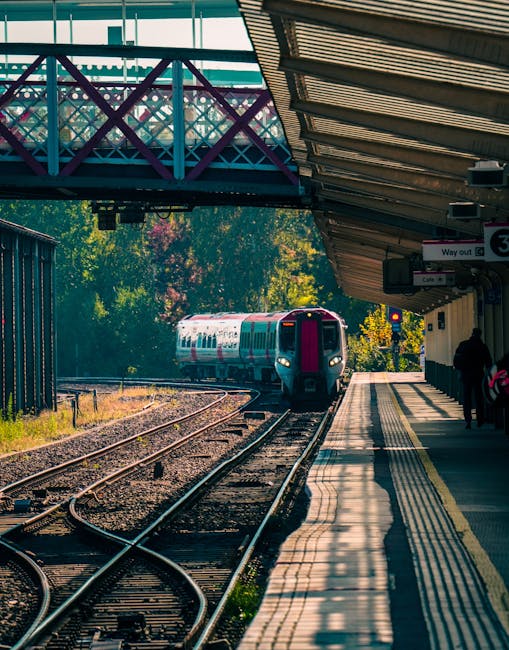
Removals near West Hampstead Thameslink station what to expect

If you are planning a move around West Hampstead Thameslink, the big question is usually not just who can help, but what actually happens on the day. Removals near West Hampstead Thameslink station what to expect comes down to timing, access, parking, building rules, and how smoothly your mover can work in a busy London setting. A short walk from the station can still mean narrow streets, shared entrances, stairs, and a bit of tactical planning. This guide breaks it all down in plain English so you can feel prepared, not rushed.
Whether you are moving from a flat, a family home, a student room, or a small office, the process is much easier when you know the likely sequence, the common snag points, and the practical choices that make life simpler. Let's face it, moving day already has enough going on without surprises at the kerb.
Why Removals near West Hampstead Thameslink station what to expect Matters
Moving near a transport hub sounds convenient, and in some ways it is. You are well placed for travel, visitors, and last-minute errands. But the same location that makes life easier can make removals more demanding. Around a station area, traffic can be stop-start, loading spaces may be limited, and buildings often sit close together with little room to manoeuvre a van.
That matters because removals are not just about lifting boxes. They depend on access. If a team cannot park near the entrance, or if they have to carry furniture a long distance, the whole job takes longer. In practical terms, that can affect the schedule, the cost, and your stress levels. A good mover will think about those details early, not after the van has arrived.
West Hampstead also has the kind of mixed housing that keeps removal firms on their toes: mansion blocks, conversions, basement flats, maisonettes, and traditional family homes. Each one comes with different access quirks. One staircase is fine. Four flights with a wardrobe and a rainy footpath? That is a different story altogether.
Expert takeaway: the closer your move is to a station, the more important it is to plan for access, timing, and loading space rather than assuming the job will be straightforward.
If you want to understand the broader service context first, it can help to look at removals and removal services before comparing the more specific options.
Table of Contents
- Why Removals near West Hampstead Thameslink station what to expect Matters
- How Removals near West Hampstead Thameslink station what to expect Works
- Key Benefits and Practical Advantages
- Who This Is For and When It Makes Sense
- Step-by-Step Guidance
- Expert Tips for Better Results
- Common Mistakes to Avoid
- Tools, Resources and Recommendations
- Law, Compliance, Standards and Best Practice
- Options, Methods, or Comparison Table
- Case Study or Real-World Example
- Practical Checklist
- Conclusion
- Frequently Asked Questions
How Removals near West Hampstead Thameslink station what to expect Works
A typical local removal follows a fairly simple pattern, although the details vary depending on the property and how much you are moving. Most reputable teams will begin with a quote or survey, then confirm the volume of belongings, access conditions, and any special items such as large sofas, white goods, or fragile pieces. After that, the move is scheduled and the team arrives with the right vehicle, equipment, and manpower.
On the day, expect some practical checks. The crew may ask about parking, building access, lift availability, fragile items, and whether any furniture needs dismantling. In many cases they will protect floors, wrap awkward items, and load in a specific order so heavier or more delicate things do not get damaged. A simple move can still feel organised and calm when this stage is done properly.
Near West Hampstead Thameslink, timing can be especially important. Early morning slots are often easier for parking and traffic flow, while later moves may run into busier streets and more people moving about. If your building has a concierge or a managed entry system, the removal team will usually work around that too. Small thing, but it saves a lot of standing around.
For people in smaller homes or tighter streets, a man and van or man with a van style service can be a sensible fit. For larger homes or more involved relocations, a dedicated house removals service may be the better option. If you are in a flat, flat removals can be more relevant because these moves often need extra care with stairs, shared entrances, and restricted access.
Key Benefits and Practical Advantages
The main advantage of using a local removals team near the station is simple: they are more likely to understand the area's everyday realities. That means fewer surprises about loading, access, and timing. You are not educating the crew from scratch about the street layout or the sort of building they are arriving at.
There are other benefits too:
- Less disruption: a local team can often plan around busier periods and tighter access.
- Better route awareness: nearby roads and parking patterns are easier to anticipate.
- Faster turnaround: if you only need a few items moved, a local mover can often make the job more efficient.
- More flexible service matching: the right vehicle size and crew can be chosen for the property, not guessed.
- Better support for awkward items: stairs, heavy furniture, and fragile items are easier to manage when the mover plans ahead.
There is also a trust angle. A moving company that asks sensible questions about access, floors, and furniture size is usually giving you a good sign. They are not just selling a van. They are trying to make the move work. That sounds obvious, but in the removals world, obvious is often where problems begin.
If your move is business-related, the same local advantages apply to office removals and commercial moves, where timing and disruption matter even more.
Who This Is For and When It Makes Sense
This kind of move is especially useful for people who value convenience and want the day to feel controlled rather than chaotic. If you are leaving a rental flat, moving into a new home, downsizing, or shifting from one office to another, local removals near West Hampstead Thameslink can fit neatly into your plans.
It makes particularly good sense if you:
- live in a flat with stairs or limited lift access;
- have a move that needs to happen quickly, perhaps on a tight handover date;
- need help with furniture, boxes, and awkward items;
- have a combination of small and large belongings;
- want a service that can work around London traffic and local parking realities;
- prefer professional handling over asking friends to do the heavy lifting. Brave, yes. Ideal, not always.
Students often need a lighter version of the same service, especially when moving between a term-time place and storage, or from one shared home to another. In those cases, student removals can be a useful fit. If you only need the basics moved and packed into one vehicle, removal van options may be enough.
For people who do not yet know whether they need a full team or a smaller support option, comparing removal companies is usually the safest starting point. The right service depends on volume, access, and how much you want handled for you.
Step-by-Step Guidance
Here is the simplest way to approach a move near West Hampstead Thameslink without overcomplicating it.
- Take stock of what is moving. Walk room by room and separate furniture, boxes, valuables, and anything staying behind.
- Check access early. Note stairs, lifts, intercoms, parking restrictions, and whether there is a narrow entrance or shared hallway.
- Choose the right service level. A small move may suit man with van support, while bigger jobs may need a full removal services package.
- Ask for a clear quote. Make sure the quote reflects access, travel, labour, packing help, and any special items.
- Pack with the move in mind. Heavy items in small boxes are easier to carry; overfilled boxes are a classic back-pain trap.
- Prepare important items separately. Keep documents, chargers, keys, medication, and overnight essentials in one bag.
- On moving day, keep the route clear. Hallways, stairs, and entrances should be as free as possible.
- Do a final walk-through. Check cupboards, loft access, under beds, and behind doors before the van leaves.
If you want extra help with the packing side, it is worth considering packing and boxes or more complete packing and unpacking services. The second option is especially useful if you are working, managing children, or simply do not want cardboard chaos taking over your week.
A quick personal note: the smoothest local moves I have seen are rarely the ones with the fanciest vans. They are the ones where the client has labelled boxes properly and the mover knows exactly where they can park. Bit boring, I know. Also very effective.
Expert Tips for Better Results
Here are the small adjustments that can make a surprisingly big difference.
- Book with access in mind, not just date and price. A slightly higher quote that accounts for difficult access can still be better value.
- Measure furniture before moving day. Door frames, stair turns, and lift sizes matter more than people expect.
- Use a colour or room system for boxes. It speeds up unloading and reduces the chance of things ending up in the wrong room.
- Disassemble only what needs it. Over-dismantling can create lost screws and unnecessary stress.
- Protect the first and last ten minutes. That is when damage usually happens: at the doorway, on stairs, or at the van ramp.
- Keep weather in mind. A wet pavement outside a station area can get slippery quickly, especially if the move is happening first thing in the morning.
If you are moving something especially delicate or heavy, such as a grand piano or upright model, use a specialist rather than hoping for the best. piano removals exist for a reason. Pianos look sturdy. They are not as forgiving as they seem.
Another useful option for homes and offices with temporary storage gaps is storage. That can be a lifesaver when your completion date and move-in date do not quite line up. Happens more than people expect, especially in London.
Common Mistakes to Avoid
Most moving headaches are predictable. The good news is they are also avoidable if you know where to look.
- Assuming parking will be easy. Near a station, that can be a costly assumption.
- Underestimating the volume. One spare room can hide a shocking amount of stuff.
- Booking the wrong vehicle size. Too small means multiple trips. Too large may be awkward on tight roads.
- Not asking about insurance. You should know how belongings are covered and what the service includes.
- Leaving packing until the last minute. It always looks manageable until you are standing among eight open drawers at 10pm.
- Forgetting the building rules. Some blocks require advance notice or lift protection, and that can affect the schedule.
- Failing to label essentials. Tea bags, kettle, toiletries, and phone chargers are not glamorous, but they matter.
A common one in local moves is forgetting to mention bulky furniture that only just fits. If the sofa needs a tight turn or the wardrobe is unusually tall, say so early. Reputable movers would rather know now than discover it while blocking the hallway.
Tools, Resources and Recommendations
You do not need a mountain of equipment to move well. A few basic tools, used properly, can make the day feel more orderly.
- Strong boxes: choose consistent sizes where possible so they stack safely.
- Packing tape and markers: boring but essential.
- Furniture covers or blankets: especially useful for wood, glass, and polished surfaces.
- Labels or coloured stickers: a simple room code can save real time.
- Toolkit: for dismantling beds, tables, and shelving.
- Blanket or bag for essentials: keep the first-night kit separate.
For more structured preparation, it can help to use professional support from a team that offers packing and unpacking services, or to compare broader support under removal services. If you are mostly moving a small load with limited help, man and van remains a practical middle ground.
One practical recommendation: write the destination room on at least two sides of each box. It feels a bit over the top at first, then moving day arrives and suddenly it feels like genius.
Law, Compliance, Standards and Best Practice
For removals in the UK, the key thing is to work with a company that treats safety, care, and responsibility seriously. You do not need to become an expert in transport rules to make a sensible choice, but it helps to expect proper vehicle loading, clear communication, and reasonable handling of your belongings.
Best practice usually includes:
- careful lifting and carrying techniques;
- protective wrapping for furniture and fragile pieces;
- attention to access routes and trip hazards;
- clear terms around what is included in the service;
- reasonable insurance arrangements and honest explanations of cover;
- respect for building rules, neighbours, and loading restrictions.
It is also sensible to check the provider's own policies. A business that takes safety and conduct seriously will usually have clear guidance on handling, claims, and expectations. Pages such as health and safety policy, insurance and safety, and terms and conditions are worth reading before you commit.
If environmental care matters to you, you may also want to look at recycling and sustainability. A move often brings decisions about unwanted furniture, packaging, and old household items, so it is nice when a company handles that responsibly rather than turning everything into waste.
Options, Methods, or Comparison Table
The right removals setup depends on the size of your move and how much support you want. Here is a simple comparison to help you think it through.
| Option | Best for | What to expect | Typical strength |
|---|---|---|---|
| Man and van | Small flats, student moves, a few rooms of items | Flexible loading, fewer staff, usually quicker to arrange | Good value and agility |
| Full removals team | Family homes, larger furniture, multi-room moves | More labour, better for heavier loads and a fuller service | Less effort on your side |
| Packing support | Busy households, fragile items, time-pressed movers | Help with materials, wrapping, boxing, and often unpacking too | Reduces stress and mistakes |
| Storage add-on | Gap between move-out and move-in dates | Items are held securely until you need them | Useful when dates do not line up |
If you are on the fence, think in terms of effort, not just price. A smaller service may look cheaper on paper, but if it means you doing the heavy lifting and the packing, the true cost can be higher in time and energy. Not to mention your back, which will definitely have opinions.
Case Study or Real-World Example
Imagine a couple moving from a third-floor flat a short distance from West Hampstead Thameslink to a house elsewhere in north west London. They have a sofa, a bed frame, a dining table, six medium boxes, two wardrobes, and a few awkward bits that never fit neatly anywhere. On paper, it sounds like a straightforward local job.
Then the details appear. The flat has a narrow staircase. The street parking is tight. The move-out window starts late morning, and the building manager wants advance notice before the lift is used for large items. Suddenly the move needs more than a van and a bit of optimism.
What helped most was early planning: measuring the biggest furniture, confirming access, booking a suitable crew, and deciding which boxes needed to be packed first. The movers arrived with the right setup, wrapped the vulnerable items, and kept the route clear. No drama. Just steady work.
That is usually how a good local removal feels. Not flashy. Not chaotic. Just calm, practical, and oddly satisfying when you see the last box go in and the hallway is clear again.
Practical Checklist
Use this before moving day to keep things grounded.
- Confirm your move date, arrival window, and contact details.
- Measure large furniture and note anything unusually heavy or fragile.
- Check parking, building access, stairs, and lift arrangements.
- Separate essentials you will need on the first night.
- Label boxes by room and priority.
- Protect fragile items with enough wrapping, not too much optimism.
- Tell the mover about access issues, long carries, or shared entrances.
- Keep keys, documents, and valuables with you.
- Read the service terms and make sure the quote makes sense.
- Do a final sweep of cupboards, loft spaces, shelves, and behind doors.
If you are short on time, a smaller same-day solution may help. See whether same day removals suits your schedule, especially if your plans changed late in the process.
Conclusion
Removals near West Hampstead Thameslink station are usually very manageable when you understand the local realities. The key is to plan for access, timing, parking, and the type of property you are moving from. Once those pieces are in place, the rest of the job becomes much easier to handle.
The best outcome is not just a van that turns up on time. It is a move that feels organised, respectful of your building, and steady from start to finish. That is what good removals should do: take pressure off your shoulders and make the whole day feel less like a scramble.
If you are comparing options now, take a moment to look at the service level that matches your load, your schedule, and how much help you want on the day. A careful choice now tends to pay off later, and honestly, that peace of mind is worth a lot.
Get a free quote today and see how much you can save.
Frequently Asked Questions
What should I expect from removals near West Hampstead Thameslink station?
You should expect planning around access, parking, building entry, and timing. The actual move may be quick, but the preparation matters a lot in this part of London.
Are removals near the station more expensive?
Not always, but difficult access, long carrying distances, or extra labour can affect the quote. The biggest cost driver is usually the overall complexity of the move.
Is a man and van enough for a local move?
It can be, especially for smaller homes, student moves, or a few larger items. For bigger households or awkward furniture, a fuller removals service is often better.
How far in advance should I book?
As early as you can, especially if you want a specific date or time. If your move is flexible, you may have more options, but popular dates go quickly.
What if my building has stairs and no lift?
That is common and perfectly manageable, but you should tell the mover in advance. Stairs affect labour, handling time, and sometimes the vehicle or crew size needed.
Can removals teams help with packing?
Yes, many people choose packing support to save time and reduce damage risk. It is especially helpful if you are busy or moving fragile items.
What happens if I need storage between moves?
Storage can bridge the gap when your moving dates do not line up. It is a practical solution if completion, tenancy dates, or renovations get in the way.
How do I know if I need a full removals team?
If you have multiple rooms, heavy furniture, or restricted access, a full team is usually the safer bet. Smaller loads often suit a simpler vehicle-and-labour setup.
Should I worry about insurance?
You should at least ask about it. A reputable provider will explain what is covered, how claims work, and what their safety procedures are.
What should I do on moving day to keep things running smoothly?
Keep entrances clear, have keys ready, separate essentials, and stay available for quick decisions. A little preparation saves a surprising amount of time.
Can removals help with office moves as well as home moves?
Yes, local teams often handle both. Office moves need careful timing and minimal disruption, so they benefit from the same planning mindset as residential moves.
What is the best first step if I am still comparing options?
Start by listing what you are moving, how far, and what access looks like. Then compare services that match your actual needs rather than guessing from price alone.
And if all of this still feels a bit much, that is normal. Moving has a way of making even organised people feel slightly untidy. Take it step by step, and you will get there.