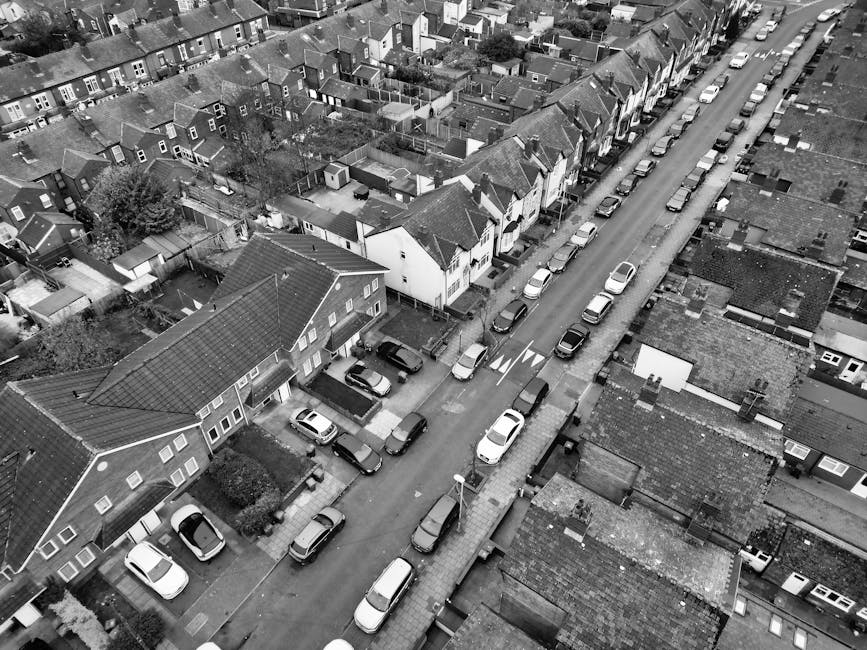
Narrow street access problems for West Hampstead removal jobs
West Hampstead looks deceptively straightforward on a map. In real life, though, a move can get complicated fast when vans face tight turns, parked cars, narrow terraces, basement flats, awkward loading points, or a road that simply does not forgive a mistake. Narrow street access problems for West Hampstead removal jobs are one of those moving-day issues that sound minor until you are standing in the street, watching a larger vehicle struggle to fit, and wondering how the sofa is ever going to make it out.
This guide breaks down what narrow access actually means, why it matters, and how to plan a removal so the day stays calm rather than chaotic. You will find practical steps, common mistakes, realistic options for different property types, and a checklist you can use before the van arrives. If you are comparing moving support, it may also help to look at removal services, flat removals, or man and van options that are better suited to restricted access.
Table of Contents
- Why narrow access matters
- How narrow street access affects a move
- Key benefits and practical advantages
- Who this is for and when it makes sense
- Step-by-step guidance
- Expert tips for better results
- Common mistakes to avoid
- Tools, resources and recommendations
- Law, compliance, standards and best practice
- Options, methods and comparison table
- Case study or real-world example
- Practical checklist
- Conclusion
- Frequently asked questions
Why Narrow street access problems for West Hampstead removal jobs Matters
Narrow street access changes almost everything about a move. Vehicle size, parking position, loading time, manual carrying distances, and even the sequence of packing all become more important. A road that looks manageable at 8:00 a.m. can feel very different at lunchtime if cars are double-parked, bins are out, or a delivery van has blocked the only sensible place to stop.
In West Hampstead, that can mean more than a little inconvenience. If access is poor, crews may need to use a smaller vehicle, split the job into multiple trips, or park further away and carry items on foot. That affects timing, labour, and the overall cost. It also raises the chance of damage if furniture has to be manoeuvred through tighter angles, shared entrances, or stairwells with very little room to spare.
Let's face it: most moving stress comes from surprises, not the plan itself. Narrow access is a classic surprise. The good news is that it is usually manageable when identified early. A proper access check can turn a difficult move into a sensible one, and that is a huge difference on the day.
Expert summary: The earlier you assess access, the more control you keep over cost, timing, safety, and the type of vehicle needed. In tight West Hampstead streets, planning is not optional; it is the move.
How Narrow street access problems for West Hampstead removal jobs Works
Access issues usually fall into a few clear categories. The street may be too narrow for a large removal truck to stop safely. Parking may be limited, which means the crew cannot load directly from the property. The pavement may be obstructed. Or the property itself may sit behind a gate, down steps, through a courtyard, or in a block with tight internal corridors.
Here is the practical effect. A move is no longer just about transport from A to B. It becomes a sequence of micro-decisions: where the van can stop, how long it can stay there, how far items need to be carried, whether bulky furniture needs to be dismantled, and whether a second smaller vehicle makes more sense than one larger truck.
Some jobs suit a full moving truck. Others are better handled with a smaller removal van or a flexible man with a van arrangement. That is not a downgrade. It is simply choosing the right tool for the street, which is what experienced movers do anyway.
Access planning also changes how packing should be done. If a crew must carry items a longer distance, lighter but secure boxes are easier to handle than overfilled ones. That is one reason packing and boxes support can be useful before moving day, especially if you have a mix of flat-pack furniture, artwork, and ordinary household items.
Key Benefits and Practical Advantages
When access problems are dealt with properly, the move becomes safer and more predictable. That sounds obvious, but the real benefit is how many small problems never happen in the first place.
- Less wasted time: the crew knows where to park, how to approach the property, and what route to use.
- Lower risk of damage: shorter, clearer carrying routes mean fewer awkward turns and fewer bumps.
- Better vehicle choice: you are not paying for a bigger truck than the street can realistically support.
- More accurate quotes: access details help remove the guesswork from pricing.
- Reduced stress: people breathe easier when the plan feels grounded in reality rather than hope.
There is also a practical lifestyle advantage. If you are moving from a flat, a converted building, or a property with no easy forecourt, a tailored access plan can save you from a long, draining day. That matters even more if you have children, pets, or a strict move-out window. Nobody wants the last box still sitting by the front door at 6 p.m. while everyone is tired and slightly grumpy.
For landlords, office managers, and homeowners alike, the right setup can also help avoid complaints from neighbours or unnecessary disruption on the pavement. If the move involves business stock or equipment, a structured commercial moves approach is often the calmer route.
Who This Is For and When It Makes Sense
This topic matters to more people than you might expect. In West Hampstead, narrow access affects a wide range of moves, from small student flats to family homes and office relocations. If any part of your address is tight, busy, or difficult to load from, you should think about access before you think about volume.
It is especially relevant if you are:
- moving from a basement flat or top-floor flat without generous stair space
- living on a road where parking is routinely tight
- moving large furniture such as wardrobes, sideboards, or a piano
- handling a same-day or time-sensitive relocation
- planning a student move with lots of small items but limited lift access
- relocating an office where equipment must come out without blocking neighbours
If that sounds familiar, you are not being fussy by asking access questions. You are being sensible. A move from a compact flat with a narrow entrance can be much harder than a larger house with open frontage. That is why services such as student removals, office removals, and house removals all need different planning around the same basic issue.
Step-by-Step Guidance
If you want to handle narrow access well, use a simple sequence. No drama. Just a proper process.
- Measure the access points. Check gate widths, hallway pinch points, stair turns, lift dimensions, and any kerbside restrictions. Even a small measurement can change vehicle choice.
- Take photos from the street and inside the property. A few clear images often tell the story faster than a long explanation. This is especially useful if the road is one-way, curved, or lined with parked cars.
- List bulky or awkward items. Wardrobes, mattresses, glass tables, and appliances often need a different approach from ordinary boxes.
- Decide whether items should be dismantled. A bed frame that looks simple in a bedroom can become a real nuisance near a tight stairwell.
- Choose the right vehicle size. If the street is very restrictive, a smaller van may be safer and faster than a large lorry that cannot park cleanly.
- Plan the loading point. Be clear about where the crew can stop, how long it can remain there, and what the backup option is if the space is already taken.
- Prepare for a longer carry if needed. Keep paths clear inside the property and avoid last-minute clutter by the front door. You will thank yourself later.
- Confirm timing and arrival order. If parking is tight, an early start can help. In busy streets, a few minutes really matters.
If the property is not straightforward, a move with flat removals support can be a better fit than trying to make a standard schedule work against the street.
Expert Tips for Better Results
Here are the things experienced movers tend to look for before anyone lifts a box.
- Use the narrowest point, not the easiest-looking point, as your test. A hallway can look fine until you try to turn a sofa around the corner.
- Assume parking will be harder than you expect. If the street is usually busy, build in a buffer. A five-minute delay can snowball.
- Separate fragile items early. When carrying distances are longer, fragile items need clearer handling and fewer handovers.
- Keep one box for essentials. Kettle, chargers, documents, tea bags. Basic survival kit, really.
- Tell the removal team about every awkward detail. This includes low ceilings, shared hallways, steep steps, or courtyard access. The "oh, by the way" details are never tiny on moving day.
- Use storage if timing does not line up. If access only works on certain days or the property chain is messy, short-term storage can prevent rushed handling.
A small but useful point: if you have furniture that barely made it into the property in the first place, expect the exit to be just as awkward. That is not pessimism; it is pattern recognition. And yes, sometimes the dining table will appear to have a personal grudge against the stairwell.
For delicate or high-value items, especially if you need extra care with wrapping and handling, pairing access planning with furniture removals support usually makes the whole process smoother.
Common Mistakes to Avoid
Most access problems are made worse by a handful of predictable mistakes. The good news is that they are easy to avoid once you know what they are.
- Booking the biggest vehicle by default. Bigger is not always better in a narrow West Hampstead street.
- Forgetting about parking pressure. A van can fit in the street and still be impossible to load from cleanly.
- Ignoring internal access. The road is only half the story. Hallways, stairs, and lifts matter just as much.
- Overpacking boxes. Heavy boxes are harder to carry through awkward spaces and more likely to split.
- Leaving dismantling too late. Beds, shelves, and large desks are much easier to deal with when taken apart before moving day.
- Assuming neighbours or deliveries will not interfere. In a busy street, they often will. That is just London for you.
Another common issue is not matching the job type to the access problem. A standard house move may still work fine with a compact van and the right team, whereas a badly planned office shift can become slow and expensive. The difference is in the preparation, not the postcode.
Tools, Resources and Recommendations
You do not need fancy equipment to manage access well. You need clarity, a tape measure, good communication, and a sensible plan. Still, a few practical tools help.
- Tape measure: for doors, corridors, stair landings, and furniture dimensions.
- Phone camera: photos of the street, entrance, stairs, and any tight corners.
- Simple inventory list: helps match items to the right vehicle and packing approach.
- Floor plan or rough sketch: useful for offices and multi-room homes.
- Packing materials: good boxes, tape, wrapping paper, and labels make carrying and stacking safer.
If you want more structured help, packing and unpacking services can save time and reduce the risk of badly packed boxes causing delays in tight spaces. For bigger or more complex projects, a broader removal services approach can keep the move coordinated rather than pieced together at the last minute.
For customers who want to understand pricing early, it is sensible to review pricing and quotes alongside the access details. Quotes are usually more accurate when the moving team knows whether they can park outside or whether they should plan for a longer carry. Simple, but true.
Law, Compliance, Standards and Best Practice
Access problems are not just a practical issue; they can also touch on safety, parking, and property management responsibilities. Exact restrictions vary by street and borough guidance, so it is best not to assume anything. If a stop or loading arrangement is needed, check what is allowed locally and build the move around that reality rather than hoping for the best.
Best practice usually includes the following:
- keeping pavements and entrances as clear as reasonably possible
- avoiding unsafe lifting or carrying routes
- using suitable equipment for heavy or awkward items
- making sure the move is insured appropriately
- planning around neighbours, building rules, and time windows where applicable
It is also sensible to work with a company that treats safety properly. You can review health and safety policy information and insurance and safety details to understand how risk is handled. That kind of transparency matters when a crew is lifting through tight entrances or carrying items over longer distances.
If your move is tied to business premises, rented accommodation, or a shared building, the practical rule is simple: do not leave access assumptions unspoken. Confirm them. The small print in moving work is often the street itself.
Options, Methods, and Comparison Table
Different access situations call for different moving methods. There is no single best answer, only the one that fits the street, the property, and the size of the load.
| Option | Best for | Pros | Trade-offs |
|---|---|---|---|
| Large moving truck | Larger homes with workable parking and wider roads | Efficient for larger loads; fewer trips | Can be awkward in tight streets; may need more planning |
| Removal van | Restricted streets, flat moves, smaller household loads | More flexible; easier to position | May require more than one trip for bigger jobs |
| Man and van | Light to medium moves with limited access | Simple, adaptable, often ideal for compact streets | Less suitable for very large properties or bulky inventories |
| Storage-assisted move | Complex timings, staggered handovers, access restrictions | Reduces pressure and helps split the move sensibly | Requires planning and possible extra handling |
For some moves, a compact vehicle is plainly the better call. For others, the best outcome is a staged approach, especially if you are juggling keys, building access, or furniture that needs careful handling. If you are moving only a few items or want a more flexible setup, pages like removal van and man with van can be useful places to start.
Case Study or Real-World Example
A common West Hampstead scenario goes like this. A customer is moving from a second-floor flat on a narrow residential street. Parking outside the building is limited, the stairwell has a turn halfway down, and a wardrobe will not fit through assembled. The first instinct might be to book a big truck and hope the crew can sort it on arrival. That is usually how stress enters the room.
A better approach is to assess the access in advance, split the wardrobe, wrap the mirrors separately, and use a smaller vehicle positioned a short walk away from the building. The crew then works with shorter, safer carry routes and a clear loading sequence. The move may still take careful coordination, but it is controlled rather than improvised.
In another example, an office relocating from a cramped street with shared front access may benefit from an early morning slot, labelled equipment crates, and a vehicle that can park and leave without blocking the whole road. That kind of planning is not glamorous, but it is exactly what keeps things calm. A good office relocation services plan can make a cramped move look remarkably orderly by the end of the day.
Truth be told, most successful moves in tight streets look boring from the outside. And that is the point. Nothing dramatic. No panic. Just steady, well-timed work.
Practical Checklist
Use this checklist before moving day if your West Hampstead property has narrow or awkward access.
- Measure doors, hallways, stair turns, and lift size where relevant
- Photograph the street, entrance, and any tight internal areas
- Identify the heaviest and most awkward items first
- Decide whether any furniture should be dismantled
- Confirm where the vehicle can stop safely
- Check whether parking pressure is likely to affect loading
- Label boxes clearly so priority items are easy to find
- Keep walkways and landings clear
- Prepare a backup plan in case the closest loading space is taken
- Tell the moving team about every access issue, even the small ones
If you are moving fast, or the handover date is unforgiving, a tailored same day removals arrangement may be worth discussing. Not every move needs it, of course, but when timing and access are both tight, speed and coordination become much more valuable than usual.
Get a free quote today and see how much you can save.
Conclusion
Narrow street access problems for West Hampstead removal jobs are common, but they are rarely a deal-breaker. They simply require a more thoughtful plan. Once you know where the access pinch points are, you can choose the right vehicle, pack more sensibly, and reduce the chances of delays or damage.
The main lesson is simple: do not treat the street as background detail. In a place like West Hampstead, the street is part of the job. Get that part right and the rest becomes much easier. A move that starts with realistic access planning tends to end with fewer headaches, fewer surprises, and a lot less shouting across the pavement. Which is nice, really.
If you are facing a tight entrance, a restricted road, or a property that looks lovely but behaves like a puzzle box, take it one step at a time. Good moving work has a way of making difficult streets feel manageable. And that, in the end, is what you want.
Frequently Asked Questions
What counts as a narrow access problem for a removal job?
Any street, entrance, hallway, stairwell, or parking arrangement that makes loading or carrying harder than normal can count as a narrow access problem. It may be a tight road, a sharp corner, a low entrance, or simply limited parking near the property.
Why does narrow street access affect removal costs?
It can affect the type of vehicle used, the number of crew members needed, the time spent loading, and whether items must be carried further. All of that can change the final quote, which is why accurate access details matter from the start.
Is a large moving truck always better for bigger moves?
Not always. In a narrow West Hampstead street, a large truck may be less practical than a smaller van. The right choice depends on parking, road width, and how easy it is to load safely.
Should I measure my hallway and stairs before booking?
Yes. It is one of the simplest ways to avoid surprises. A few measurements can reveal whether furniture will fit as assembled or needs dismantling before moving day.
What if parking outside my property is impossible?
Then the move may need to be planned around a nearby loading point and a longer carry distance. That is common in London streets, and it can still work well if it is planned properly.
Do flats in West Hampstead usually need different planning from houses?
Often, yes. Flats can involve stairwells, lifts, shared entrances, and tighter corridors. That is why flat removals planning tends to be more access-focused than a standard house move.
Can furniture be moved if it just barely fits through the door?
Sometimes, but it is risky to assume it will be fine. If there is little clearance, dismantling the item or using protective wrapping may be the safer option.
What should I tell the removal team before moving day?
Tell them about street width, parking pressure, access codes, stairs, lifts, awkward furniture, and any time restrictions. The more accurate the brief, the smoother the day usually goes.
Does storage help with access problems?
Yes, especially when access timing is awkward or the property is not ready in one go. Short-term storage can give you breathing room if the move needs to be split.
Is it worth paying for packing help if access is tight?
It often is. Well-packed boxes are easier to stack, carry, and protect in narrow spaces. That is where packing and unpacking services can genuinely save time and reduce strain.
How early should I mention narrow access when asking for a quote?
As early as possible. Right from the first enquiry, if you can. It helps the moving team suggest the right vehicle and avoid underestimating the job.
What is the safest way to move heavy items through a tight entrance?
Use the shortest safe route, keep the path clear, and handle the item with the right number of people. If an item feels awkward or unstable, it is usually worth dismantling or rethinking the route rather than forcing it through.
Where can I learn more about how the company handles moving safety?
You can review the health and safety policy and insurance and safety information for a clearer picture of how risk and care are approached.