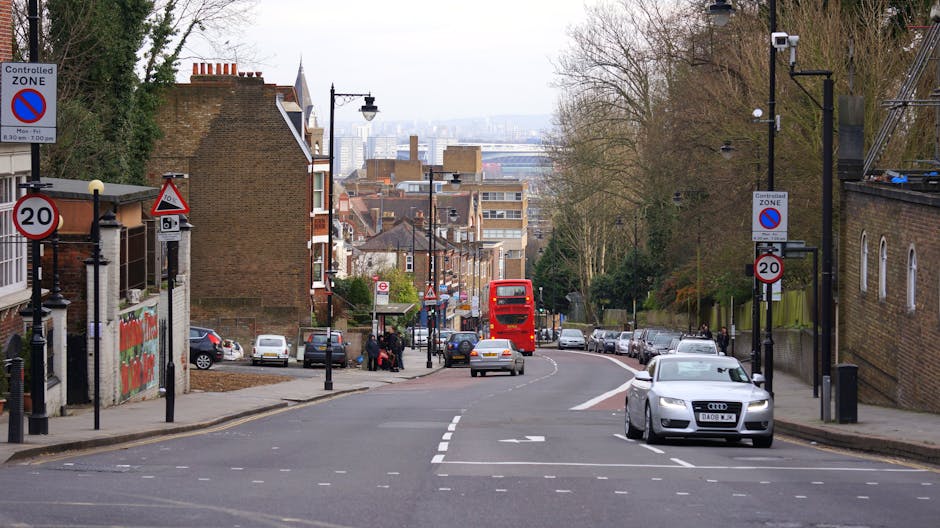
Camden Council parking rules for West Hampstead removals
If you are planning a move in West Hampstead, parking is rarely the glamorous part of the day, but it is often the bit that decides whether everything runs smoothly. Camden Council parking rules for West Hampstead removals can affect where the van stops, how long it can stay, and whether you need to arrange controls in advance. Miss the details and you can end up with avoidable stress, delays, or a very awkward conversation with the driver while boxes are already on the pavement.
This guide explains the practical side of parking for removals in West Hampstead in plain English. You will find how parking restrictions usually work, why they matter so much on moving day, what to check before booking, and how to reduce the chance of fines or wasted time. If you are moving a flat, a family home, or even a small office, the same basic principle applies: plan the vehicle access first, and everything else gets easier.
For people comparing moving support, it can also help to look at services such as man and van, home moves, or flat removals once the parking side is under control.
Table of Contents
- Why Camden Council parking rules for West Hampstead removals Matters
- How Camden Council parking rules for West Hampstead removals Works
- Key Benefits and Practical Advantages
- Who This Is For and When It Makes Sense
- Step-by-Step Guidance
- Expert Tips for Better Results
- Common Mistakes to Avoid
- Tools, Resources and Recommendations
- Law, Compliance, Standards, or Best Practice
- Options, Methods, or Comparison Table
- Case Study or Real-World Example
- Practical Checklist
- Conclusion
- Frequently Asked Questions
Why Camden Council parking rules for West Hampstead removals Matters
West Hampstead has that very London mix of narrow residential streets, controlled parking areas, and the occasional road that looks easier than it really is. On a normal day, that is mildly inconvenient. On moving day, it can become the central problem. A removal van needs space to stop, load, and sometimes wait while you are moving furniture down stairs or through a shared entrance. If the driver cannot park legally and safely, the whole schedule starts slipping.
The main reason this matters is simple: removals are time-sensitive. Unlike a casual delivery, there is usually a full chain of events depending on the vehicle being in the right place at the right time. One blocked bay can push the van further away. One missed parking control can turn a calm morning into a scramble. And to be fair, nobody wants to carry a wardrobe half a street because the loading area was not checked.
There is also the neighbour factor. West Hampstead streets can be busy, and a badly planned move can obstruct traffic, residents, or pedestrians. Even if your actual load is small, a vehicle lingering in the wrong place can annoy people quickly. Good parking planning keeps the day respectful as well as efficient. That matters more than many people realise.
How Camden Council parking rules for West Hampstead removals Works
Parking arrangements for a removal usually fall into a few broad categories. The exact restrictions depend on the street, the bay type, the time of day, and whether the council has temporary controls or suspensions in place. You do not need to become a parking officer, but you do need to understand the moving parts.
In practical terms, a removals vehicle may need one of the following:
- a legal space in a resident or paid parking bay
- a loading bay, if available and suitable for the time window
- temporary parking permission or a bay suspension
- a pre-planned roadside stop that allows safe loading without blocking access
West Hampstead is especially sensitive because many roads have a mix of permit parking, timed restrictions, and limited waiting. That means a van that could park all day in one borough might only have a short legal window in another part of Camden. It sounds fiddly because it is fiddly. The trick is not to hope for the best but to map the move around the parking reality.
For larger home moves, the parking plan often needs to be aligned with packing, stair access, and the size of the vehicle. A smaller vehicle might suit tight streets better, while a bigger lorry may make loading simpler if there is room. If you are deciding between vehicle sizes, it can be worth comparing options like removal van and moving truck based on the street rather than just the quantity of furniture.
Key Benefits and Practical Advantages
Getting parking right is not just about avoiding a ticket. It changes the shape of the entire move.
- Less delay: The crew can start loading immediately instead of circling the block.
- Lower risk of fines: Legal stopping points reduce the chance of an unnecessary penalty.
- Less carrying distance: Shorter walks from property to vehicle mean less fatigue and less damage risk.
- Cleaner timing: If you have a handover, lift booking, or school run to fit around, parking control helps the schedule stay human-sized.
- Better protection for belongings: The fewer awkward lifts and long carries, the lower the chance of scuffed furniture or dropped boxes.
There is a commercial side too. If you are moving a small business or office in the area, parking control is often the difference between a clean handover and a day of interruptions. For larger relocations, it is sensible to pair parking planning with an experienced provider such as office removals or commercial moves, especially where access windows are tight.
One small but real advantage: when parking is sorted, customers tend to feel calmer. That sounds soft, but it matters. People move better when they are not watching the clock and worrying about a van being moved on. Calm moves usually go better. Simple as that.
Who This Is For and When It Makes Sense
This topic matters to almost anyone moving in or out of West Hampstead, but a few groups feel it most strongly:
- Flat movers: Shared entrances, narrow streets, and limited outside space are common.
- Families moving houses: Larger furniture means more loading time and more pressure on access.
- Students: Smaller budgets often mean tighter schedules, so parking delays hurt more.
- Office teams: Business moves usually have fixed deadlines and less room for chaos.
- People using a man and van: The vehicle may be smaller, but parking still needs to be legal and efficient.
- Anyone with bulky items: Pianos, wardrobes, and large sofas do not forgive poor access planning.
If you are moving a single room or a compact flat, you might think parking is a minor detail. Yet even short moves can stall if the driver cannot stop close enough. That is why services such as student removals and same day removals still need the same parking thinking as a full house move.
When does it make sense to plan this early? Honestly, as soon as you know your moving date. If your street is narrow, near a station, or usually packed by mid-morning, do not leave it until the day before. That way lies unnecessary drama.
Step-by-Step Guidance
Here is a practical way to handle parking for a move in West Hampstead without overcomplicating it.
- Check the exact street outside both properties. Look at the actual parking signs, bay markings, and any time restrictions. Do not rely on memory from a previous visit.
- Work out the vehicle type. A van, Luton-style removal vehicle, or larger truck will need different space and manoeuvring room.
- Estimate how long loading and unloading will take. Add a little extra. People always underestimate the time it takes to get the last few boxes, and then the kettle, and then the plant nobody remembers ordering.
- Look for loading options. If there is a loading bay or a permitted stopping area, note the time conditions carefully.
- Consider whether parking controls may be needed. For some streets, temporary arrangements or bay suspensions may be the sensible route. The exact process depends on the location, so treat this as something to check early rather than assume.
- Coordinate with your removals team. Make sure the driver knows where they can stop and whether there are entry codes, stair access issues, or lift booking times.
- Prepare the property. Keep hallways clear, label boxes, and group items near the exit so the loading window is used well.
- Have a backup plan. If the first parking option is taken, know where the next legal option is. A backup bay or side street can save the day.
A tiny real-world tip: if you are moving out of a flat near a busy junction, stand outside for five minutes at the time of day you will be moving. You will learn more from that short watch than from half an hour of guesswork. It is a bit old-school, but it works.
Expert Tips for Better Results
Small decisions make a big difference here. In our experience, the moves that go best are rarely the ones with the fanciest equipment. They are the ones where access is treated as a core job, not an afterthought.
1. Pick the vehicle around the street, not just the load
A larger van can be efficient, but not if it cannot legally or safely stop near the entrance. Sometimes a slightly smaller vehicle with two good trips is cleaner than one oversized truck and a parking headache. Not glamorous, but very effective.
2. Keep the loading route short and obvious
Before the move, look at the path from front door to vehicle. Are there steps, tight corners, shared front gardens, or a narrow pavement? Shorter routes reduce breakages and reduce the chance of a neighbour needing to squeeze past with a buggy or shopping bags.
3. Build in time for the unexpected
West Hampstead can be lively first thing in the morning, especially near stations and busier roads. A slight delay in parking can cascade into the rest of the day. A sensible buffer makes everyone calmer.
4. Use a packing plan that matches the parking plan
If the vehicle space is tight, prioritise the largest items first so they are loaded while access is easiest. For support with preparation, it can help to use packing and boxes or packing and unpacking services if you want to speed up the handover at either end.
5. Keep proof and permissions together
If parking permissions, booking details, or written arrangements are in play, keep them in one place. A screenshot, email thread, or printed note can prevent confusion on the day. It sounds boring. It is also incredibly helpful.
Common Mistakes to Avoid
Most parking problems are avoidable. They usually happen because people assume the street will be "fine" and move on. Here are the patterns that cause trouble.
- Assuming the nearest space will still be free: It might not be. Streets fill quickly.
- Ignoring time limits on loading bays: A space that looks useful may only be available for short windows.
- Booking the wrong vehicle size: Too large for the street, and you create a manoeuvring problem.
- Leaving parking planning to moving day: That is how pressure builds for no good reason.
- Forgetting about shared access: Flats, mews streets, and communal entrances can create bottlenecks.
- Not telling the removals team about access issues: The driver cannot solve a problem they do not know about.
Another common one: people focus so much on boxes and tape that they forget the outside environment. Then they are standing on the pavement, holding a lamp, thinking, "Ah. Right. That too." It happens more often than you think.
Tools, Resources and Recommendations
You do not need specialist gear to manage parking well, but a few simple tools help a lot.
- Phone camera: Take pictures of signs, bay markings, and the road layout. Helpful when you are comparing notes later.
- Floor plan or sketch: A quick drawing of the property entrance and vehicle approach can clarify the route.
- Moving labels: Clear labels reduce time at the kerbside.
- Spare boxes and tape: Always useful, especially when a final-minute item appears.
- Booking checklist: A written list keeps parking, access, packing, and timings in one place.
For businesses and households wanting a broader move plan, the surrounding support pages can be useful too. For example, removals, removal services, and removal truck hire can help you compare the type of support you need once access is understood.
If storage is part of the picture, maybe because your keys do not line up or you are downsizing, it may be worth considering storage so the day is not dependent on squeezing every single item into one frantic window.
Law, Compliance, Standards, or Best Practice
This is one of those areas where the legal side and the practical side overlap. Parking restrictions, loading permissions, and vehicle stopping rules are there for a reason, and they are not optional just because you are moving house. The safest approach is to treat the street signs and any local controls as the rulebook for the day.
Best practice usually means three things:
- Park legally: Never assume a momentary stop is harmless if the road has restrictions.
- Protect access: Keep pavements, entrances, and emergency access clear.
- Plan ahead: Make sure parking arrangements match the move timeline, not the other way around.
If you are hiring a professional removals team, they should also have their own approach to safety, vehicle handling, and customer communication. It is sensible to check a company's health and safety policy and insurance and safety information so you understand how they work. That is not overkill. It is just sensible.
And yes, if you are using a hired service, read the terms and conditions too. Nobody enjoys legal reading, but it is better than an unpleasant surprise later.
Options, Methods, or Comparison Table
There is more than one way to handle parking on moving day. The best option depends on the property, the vehicle, and the time available.
| Method | Best for | Pros | Trade-offs |
|---|---|---|---|
| Use an existing legal bay | Moves with flexible timing | Simple, low administration | Space may not be available when needed |
| Use a loading bay | Short, efficient loading/unloading | Close access, less carrying | Time limits can be strict |
| Arrange temporary controls | Busy streets or full-size removals | Better certainty and access | Needs planning and advance action |
| Use a smaller vehicle | Narrow roads or compact moves | Easier parking and manoeuvring | May require more trips |
| Split the move with storage | Staged relocations or delayed completion | Less pressure on the day | Requires extra coordination |
For people comparing service style rather than just vehicle size, man with van, man with a van, and man with van are useful pages to review because they often suit shorter or more flexible parking situations. The right choice depends less on the name and more on the access realities outside your door.
Case Study or Real-World Example
Picture a typical West Hampstead flat move on a weekday morning. The property is on a residential street with limited space, a shared entrance, and a couple of cars already parked close to the curb. The move itself is not huge: sofa, bed, wardrobe, boxes, and a few awkward kitchen items. Sounds manageable. It probably is, if parking is handled well.
Now imagine the van arrives and cannot stop close enough. The crew has to wait while a resident leaves, then reposition, then carry items farther than expected. The hallway fills with boxes. The client starts checking the clock every two minutes. Nobody is happy. Nothing disastrous, but the day feels harder than it needed to.
In the better version, the parking space is checked beforehand, the driver knows where to stop, and the largest furniture is loaded first. The team gets clear access, the loading route stays short, and the flat is emptied before lunch. Not magic. Just planning. Truth be told, that is usually what separates a smooth move from a stressful one.
Practical Checklist
Use this quick checklist before moving day:
- Confirm the exact moving date and time window.
- Check the parking signs outside both properties.
- Identify whether a loading bay or legal stopping point is available.
- Decide whether the vehicle size suits the street.
- Tell the removals team about stairs, lifts, or narrow access.
- Prepare boxes so the first load is ready to go.
- Keep a backup parking option in mind.
- Take photos of the road layout and signage.
- Make sure permits, arrangements, or confirmations are saved in one place.
- Leave a little time cushion. You will thank yourself later.
If your move includes special items, it is worth checking whether you need extra handling support such as piano removals or furniture removals. Bulky pieces can change the parking and loading plan quite a bit.
Conclusion
Camden Council parking rules for West Hampstead removals are not the most exciting part of moving, but they are one of the most important. If you get the parking and access plan right, the rest of the move becomes noticeably easier: less carrying, less waiting, fewer surprises, and a much calmer atmosphere on the day.
The best approach is straightforward. Check the street. Match the vehicle to the road. Build in time. Keep the removal team informed. And if anything feels uncertain, sort it before the boxes start moving, not after. Small preparation at the front end usually saves a lot of sweat later.
If you are still deciding how to structure the move, whether you need a vehicle, packing help, or full-service support, you can also explore removal companies, removal van, and house removals to find the right fit for your situation.
Get a free quote today and see how much you can save.
Moving day is busy enough already. If the parking is sorted, you are halfway to a better day, and that is no small thing.
Frequently Asked Questions
Do I need a parking permit for a removals van in West Hampstead?
Sometimes, yes, but it depends on the exact street, bay type, and timing. Some moves can use existing legal parking or loading areas, while others need advance arrangements. It is best to check the location well before moving day.
Can a removal van stop outside my flat for loading?
Only if the stopping point is lawful and safe. In some streets a short loading stop may be possible; in others it may not. Always check the signs and restrictions rather than assuming a quick stop is fine.
What happens if the van cannot park near the property?
The crew may have to park further away, which usually means longer carrying distances and more time. That can slow the move and make it more tiring. A backup parking plan is a smart idea.
Are loading bays always suitable for removals?
No. Some loading bays have time limits or rules that may not fit a full move. A bay can be helpful, but only if the timing and conditions work for your job.
Should I book a smaller vehicle to make parking easier?
Not automatically. A smaller vehicle can be easier to park on narrow streets, but it may require more trips. The right choice depends on how much you are moving and how tight access is.
How far in advance should I think about parking?
As early as you can. Once your moving date is fixed, parking should be one of the first things you check. Leaving it until the last moment is where problems start.
Can parking restrictions affect the cost of my move?
They can, indirectly. If access is difficult, more time may be needed, or a different vehicle may be required. Good parking planning often keeps the move more efficient overall.
What should I tell my removals team about parking?
Tell them the street layout, any restrictions, whether there is a loading bay, and whether the property has stairs, lifts, or tight access. The more they know, the better they can plan.
Is West Hampstead especially tricky for removals parking?
It can be, mainly because of residential parking demand and the mix of narrow streets and timed restrictions. That does not make a move difficult by default, but it does reward careful planning.
What is the biggest mistake people make with parking on moving day?
The biggest mistake is assuming parking will sort itself out. It rarely does. A few minutes spent checking the street and planning the stop can save a lot of stress later.
Do I need to worry about insurance or safety when choosing a removals company?
Yes, it is sensible to check. Parking is only one part of the move. You also want to know how the company handles handling, loading, and general safety. That peace of mind matters.
Where can I get help if my move needs extra planning?
If your move is complex, it can help to speak with a removals team that understands local access issues and vehicle planning. Start with the service pages that fit your move type, then build from there.